
Visual Stories
























Categories
















Leave us reply
Related Blogs
5 signs you are vitamin deficient
It is critical to eat nutritious, vitamin-rich foods to maintain a healthy physique. Whether you're attempting to lose weight or a...
Anti-aging substances with scientific backing that aren't too expensive
More people are noticing age-related skin changes up close on their videoconference conversations, because of a substantial surge ...
The best ways to banish dry winter skin
Do you experience itchy, dry skin in the winter? You're not the only one who feels this way. Many of my patients question me about...
Managing Acne
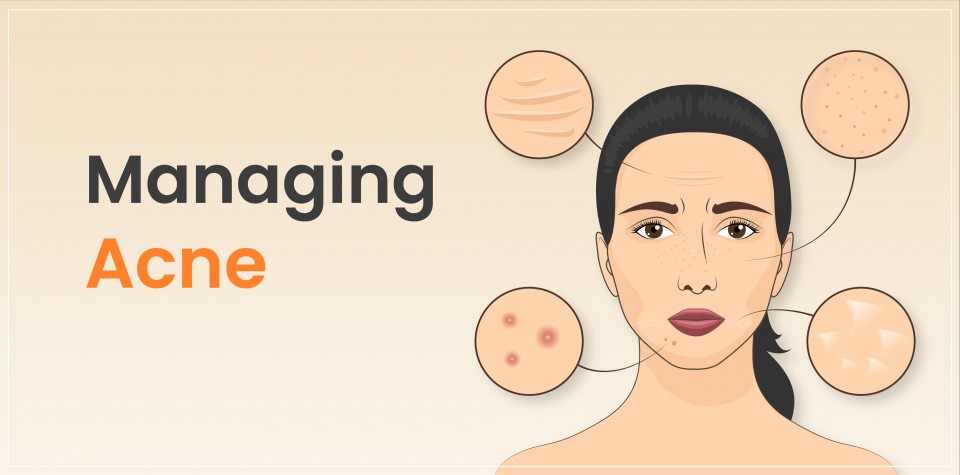
Acne is a chronic, inflammatory skin condition that causes spots and pimples, especially on the face, shoulders, back, neck, chest
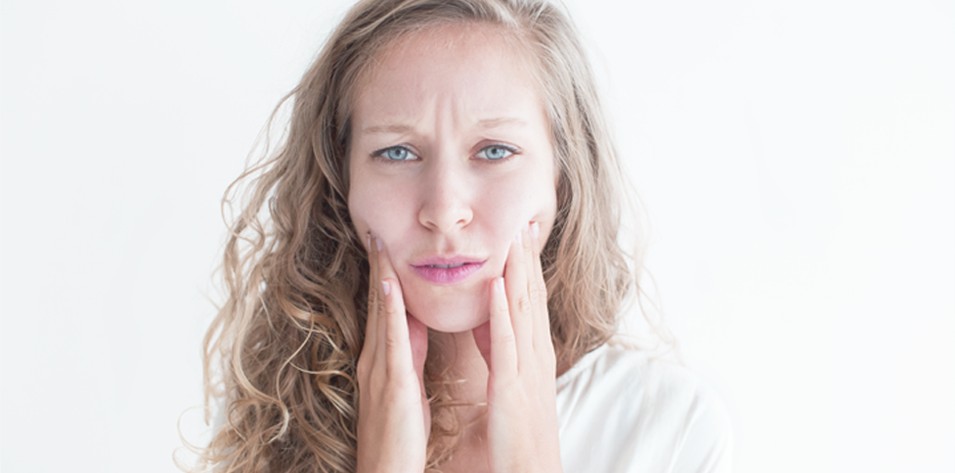
Common skin woes and ways to tackle them!
It would be nice if we all could go through life not having to worry about skin problems. But it turns out that once we hit our 30...

Facial Volume Loss - The Sneaky Thing That Could Be Giving Away Your Age!
One fine morning you stare at your reflection in the mirror and wonder, “where did my face go?” You realize that something has...
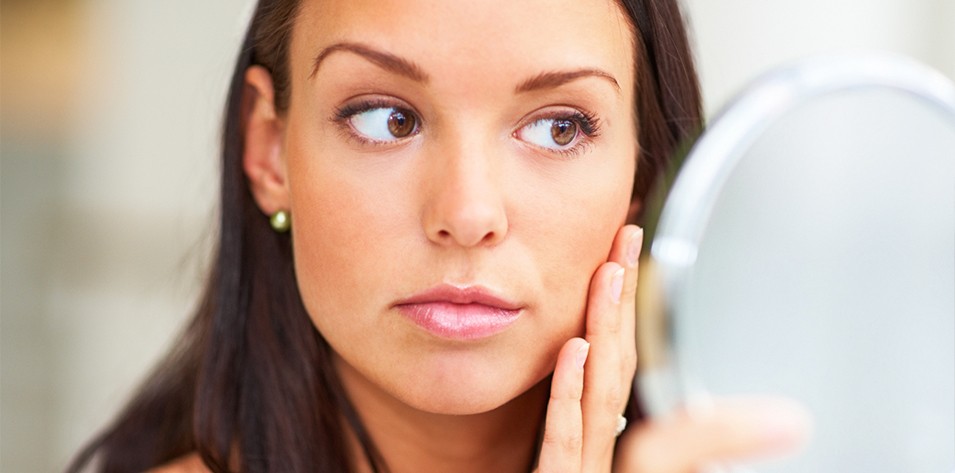
Have age spots, acne scars or clogged pores? Reasons and ways to minimize them
Can’t face the world? Is your skin a problem? What’s spoiling your skin? Be it age spots, acne scars or clogged pores it shoul...

SKINtillating ways to deal with acne and acne scars
If you’ve experienced acne, you know how difficult it can make your life. Every morning when you look at your reflection in the ...
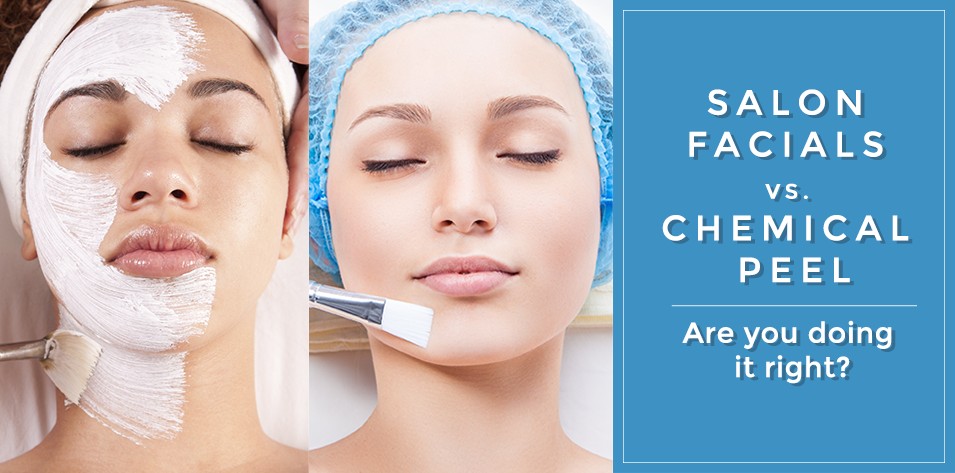
Salon Facials vs Chemical Peels – Are you doing it right?
Ahead of the festival celebrations you might have started your preparation to look the best this year. Most of them would love to ...
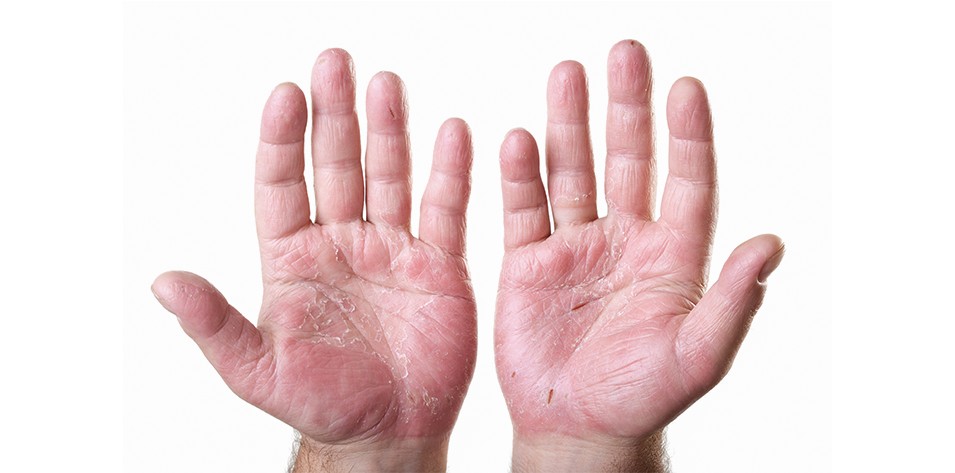
Skin Care is more important than you think when it comes to Atopic Dermatitis
People develop a skin disease which causes inflammation and make the skin itchy. Eczema is the name of the skin disease that most ...
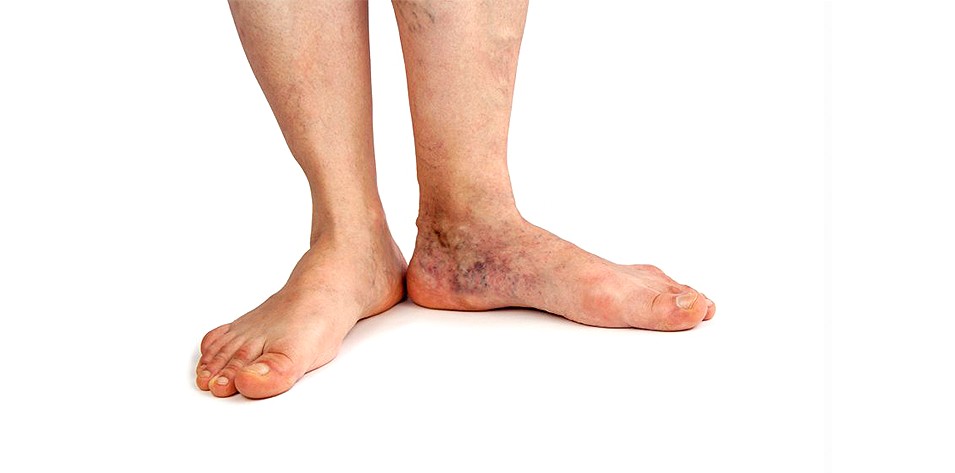
What Is Stasis Dermatitis?
Stasis dermatitis is a skin condition that develops in people due to fluid build-up caused by poor blood circulation. This typical...
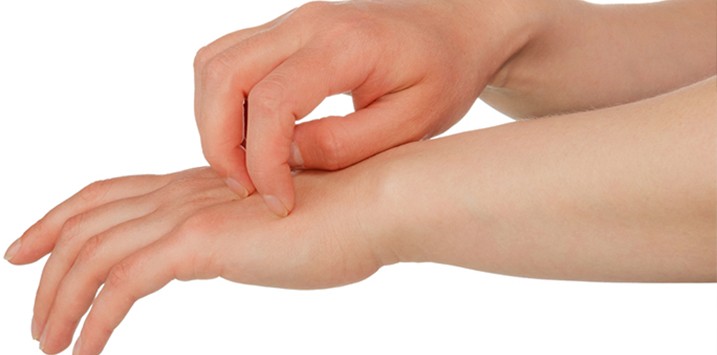
Contact Dermatitis
We have all had some kind of skin trouble: a rash, an allergy, a breakout. It happens when our skin comes in contact with anything...
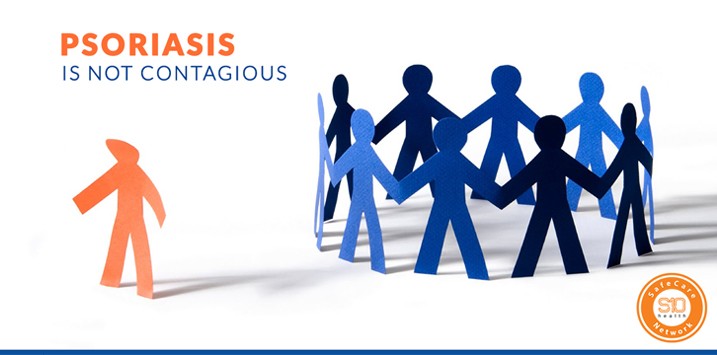
Psoriasis: What you should know
Psoriasis is an autoimmune disease known to commonly affect different parts of the skin. It is characterized by the appearance of ...

Got a Mole?
Our skin tells a lot about our health. From its colour, to the amount we sweat and of course how it looks and what’s on it – o...
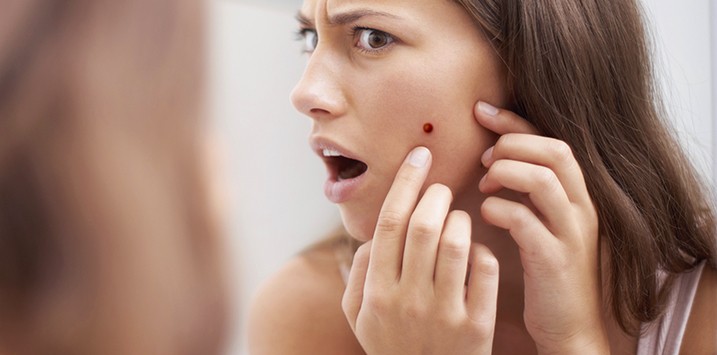
Warts
Rough, smooth, hard, soft; light or dark, warts are present on almost all most people and even some animals. Small and usually pai...

Act right with Acne
Reports say that about 80% of teenagers get some form of acne at some point in time, includingspots and painful reddish bumps on t...

Skin Care for the Season
Skin, for being the largest organ; the waterproof, protective wrap of our body’s surface, is often not given the TLC it truly de...
 Online Consultation starts at just Rs 100/-


Comments
Write your first comment.