
Visual Stories




































Categories























Leave us reply
Related Blogs
Dr Shubhra Goel
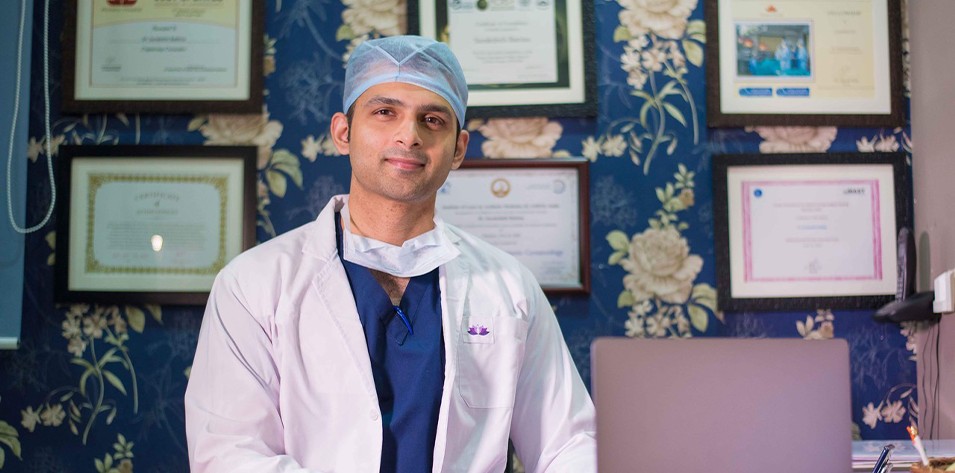
Dr Shubhra Goel is an Oculofacial Aesthetic Surgeon- Co-founder of Clinica Fai, speaks to S10 SafeCare on facial rejuvenation.
It...
Dr. Rekha Karnam Srinivasan
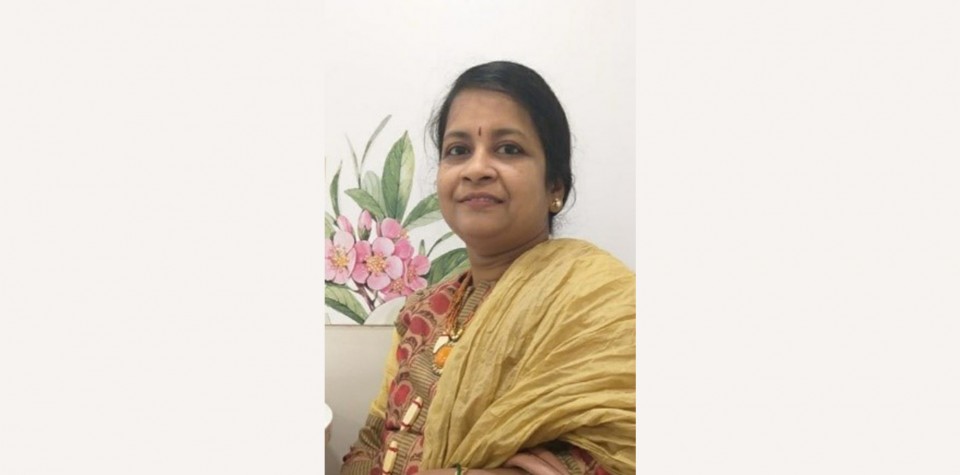
More than two decades of clinical experience at Raj Homoeo clinic, Orator, writer, medical blogger, teacher, she has presented at ...
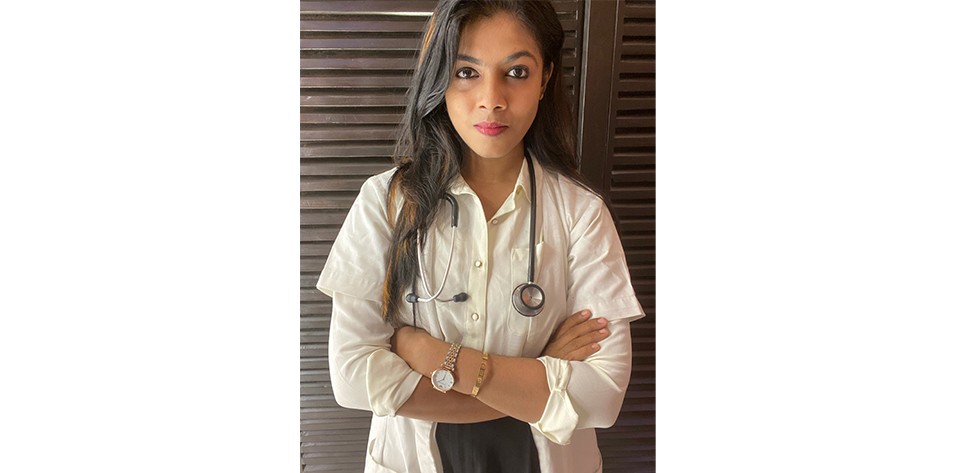
Dr Sushindri Sridharan aspires to build intelligent technologies
Dr Sushindri Sridharan aspires to build intelligent technologies that will encourage healthier behavior in individuals to achieve ...

6 Reasons virtual consultation is now more important than ever
As the entire world has gone to the remote working mode, it’s important for healthcare providers to move this way too. By offeri...
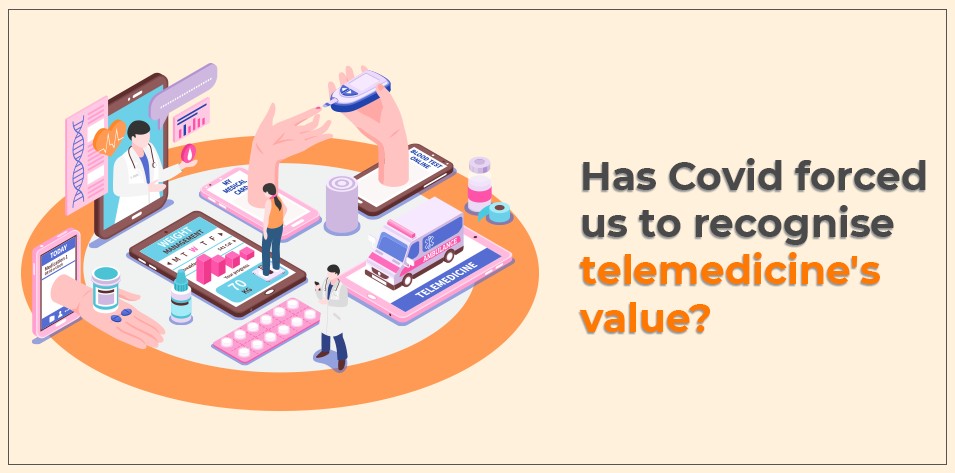
Has Covid forced us to recognize telemedicine's value
According to a survey done by Mckinsey & Company, they estimate a shift from 11% in 2019 to 76% jump to telemedicine going forward...

Benefits of Telemedicine
A lot has been saying recently about telemedicine in India. The fact of the matter is Virtual consultations are more convenient an...
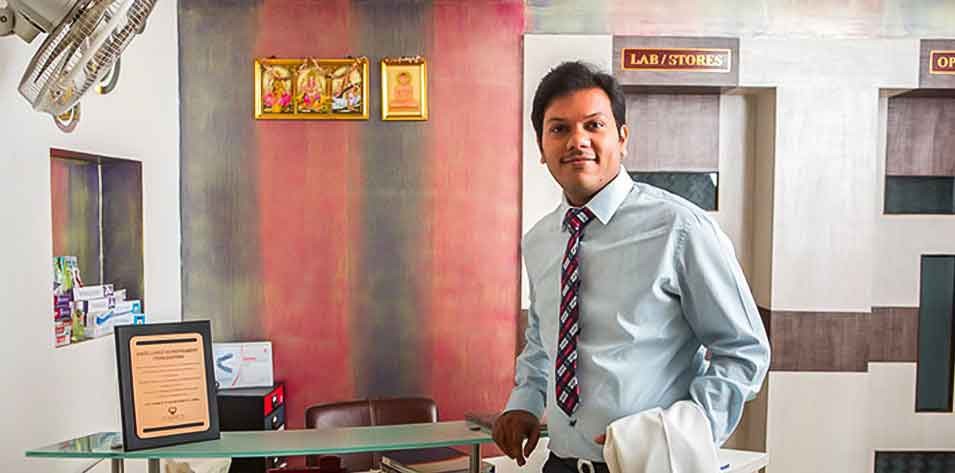
Dr. Pankaj Jain Chopra
Dr. Pankaj Jain Chopra of Chopra Dental Care talks to S10 Health on the importance of preventive dentistry for a healthier and con...
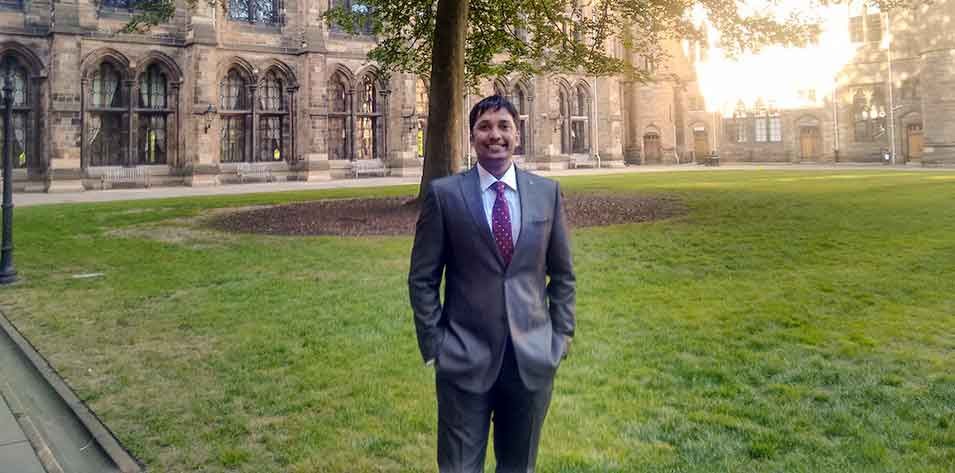
Dr.Dinesh Kumar
Dr. Dinesh Kumar of Dinesh Skin & Hair Clinic talks to S10 Health on the importance of lifestyle changes for a healthy & glowing s
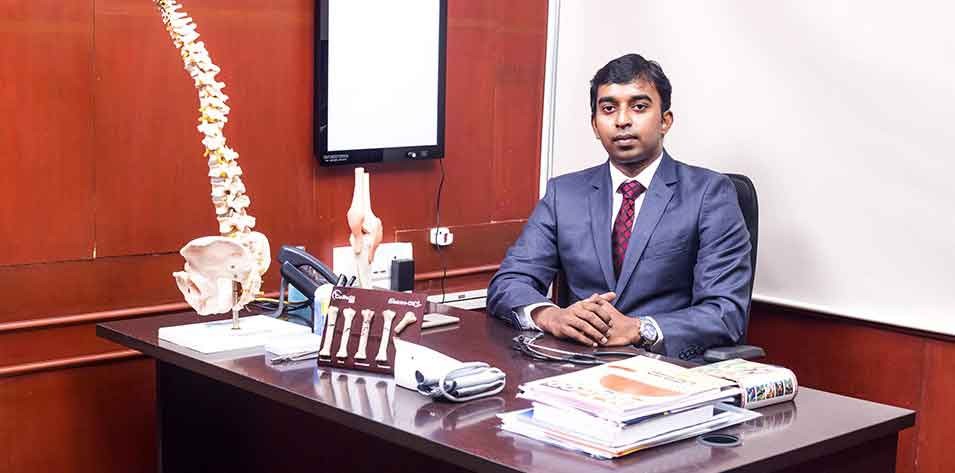
Dr.Dominic Dobson
Being the 2nd Doctor to complete Master’s Degree (M.D) - Sports Medicine in India, Dr. Dominic Dobson has been a Sports Physicia...
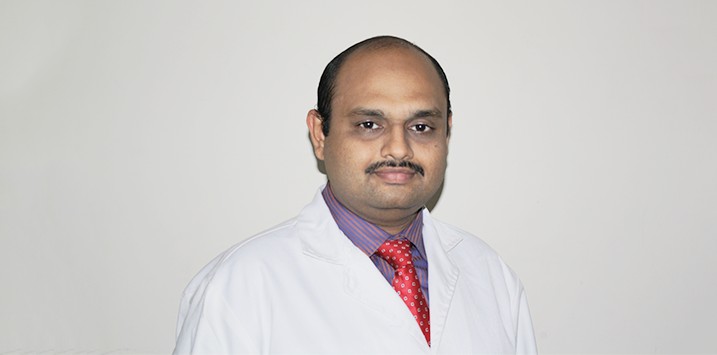
Dr.Sendhil Nathan
Dr.Sendhil Nathan of Senthil Dental Clinic talks to S10 Health on how he approaches preventive care and treatments at the clinic.
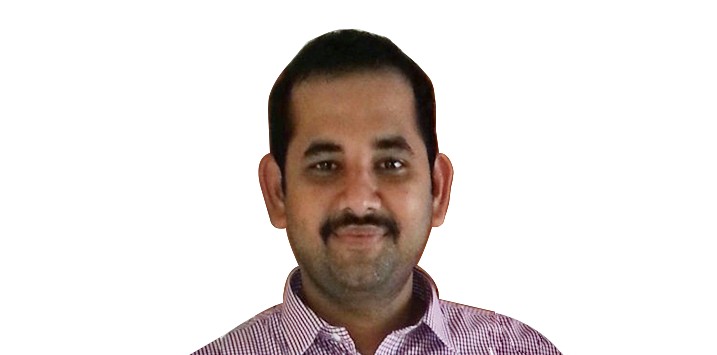
Dr. Mahesh Ramakrishnan
Dr. Mahesh Ramakrishnan – Paediatric Dentist at Padma Dental Care speaks to S10 Health on the ideal preventive practices that he...
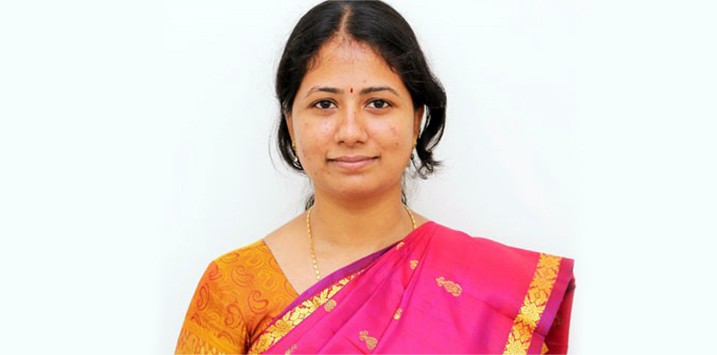
Dr. Vijaya Durga Karthik
Dr. Vijaya Durga Karthik is the consultant Gynaecologist and Obstetrician at Elizabeth Mother Children Hospital.consultant in the ...
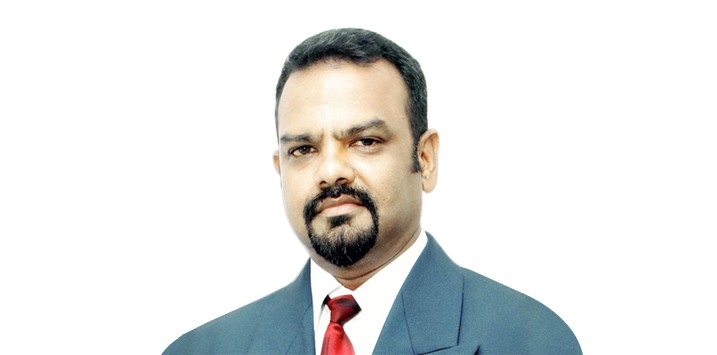
Dr. S S Kumar
Dr. S S Kumar is an Orthopaedic & Spine Surgeon at Astra Ortho N Spine Centre, Chennai with over 20 years of experience in the fie...
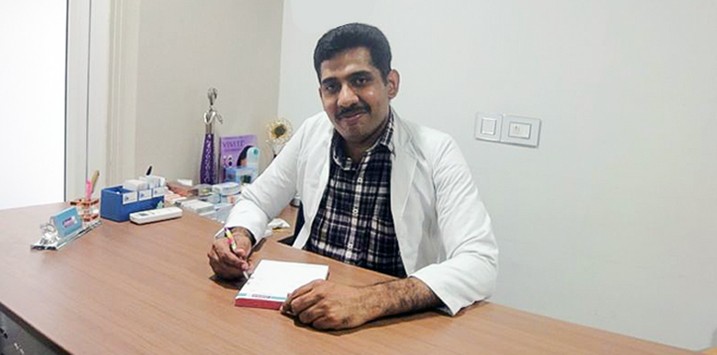
Dr. Chandan
Dr. Chandan of Aanya Skin Clinic, Chennai; discusses skin health for the season and explains a little about the changes in the att...
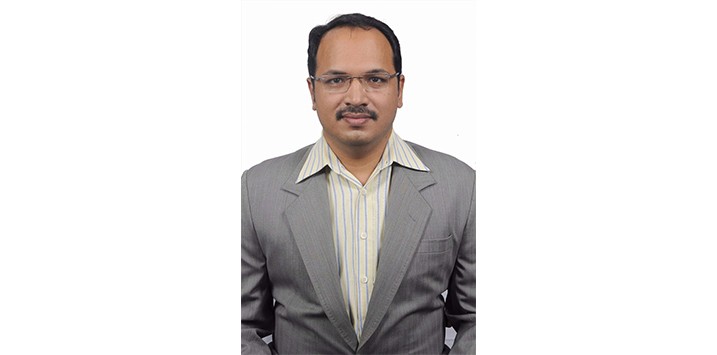
Dr.Roshan Rayen
Dr Roshan Rayen of Kidz N Teenz Dental Clinic, talks to S10 Health on the importance and necessity for paediatric dentistry today.
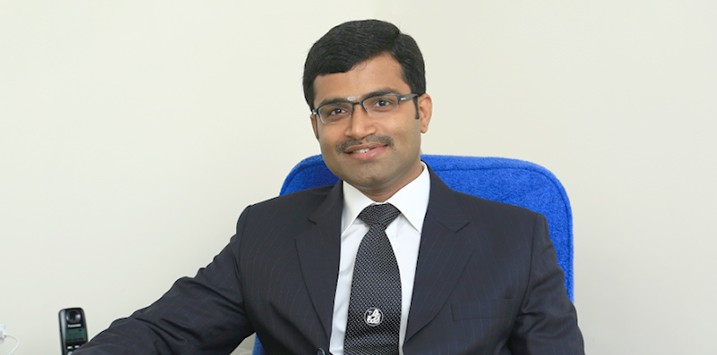
Dr.Sashikumar Muthu
Dr. Sasikumar Muthu, Plastic & Cosmetic Surgeonat Pearl Plastic Surgery Clinic talks to S10 Health on how plastic surgery has evol...

Dr.Sirisha Singh
Dr Sirisha Singh is a Dermatologist and Cosmetic Dermatologist with 15 years of clinical experience. She has trained extensively f...
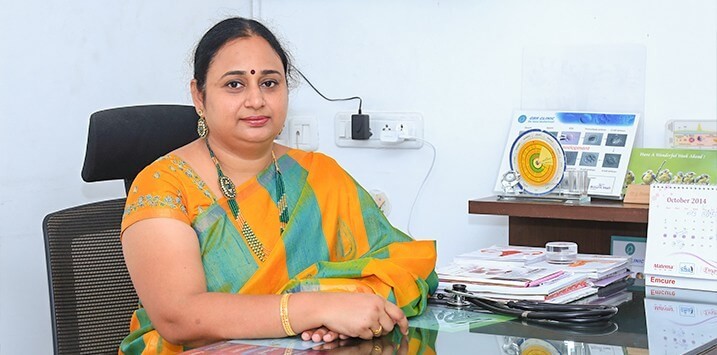
Dr G Buvaneswari
Dr G Buvaneswari, MBBS, DGO, DNB (O&G;), Dip. ALS (Germany) Infertility Specialist & Laparoscopic Surgeon, at GBR Clinic- Fertility...
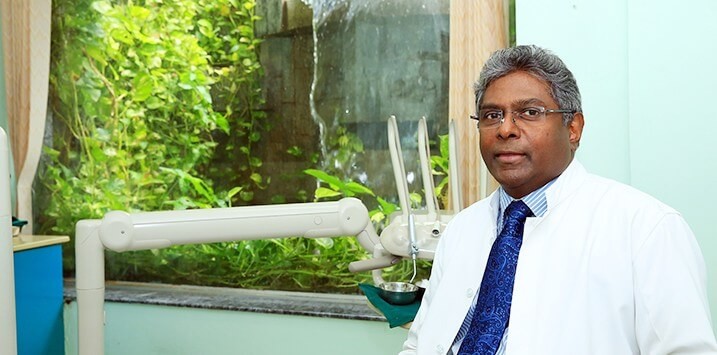
Dr. Gunaseelan Rajan
Dr. Gunaseelan Rajan is an acclaimed Oral and Maxillo-facial Surgeon, Dentist, Scientist, Researcher and Professor based in Chenna...
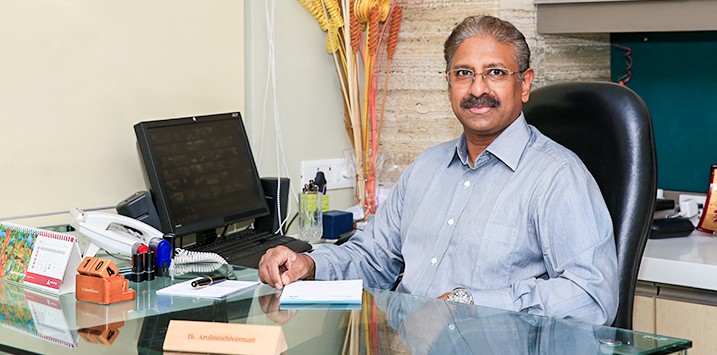
Dr. Arulmozhi Varman
Dr. Arulmozhi Varman is the driving force of Uma Eye Clinic; famed for the largest number of Multifocal IOL's successfully complet
 Online Consultation starts at just Rs 100/-


Comments
Write your first comment.