


































When your period is late or you're trying to figure out if you're pregnant, the days might go by slowly. "How long do you have to wait before taking a pregnancy test?" "Your missed period" is frequently mentioned in the instructions for home pregnancy tests. What exactly do they imply?
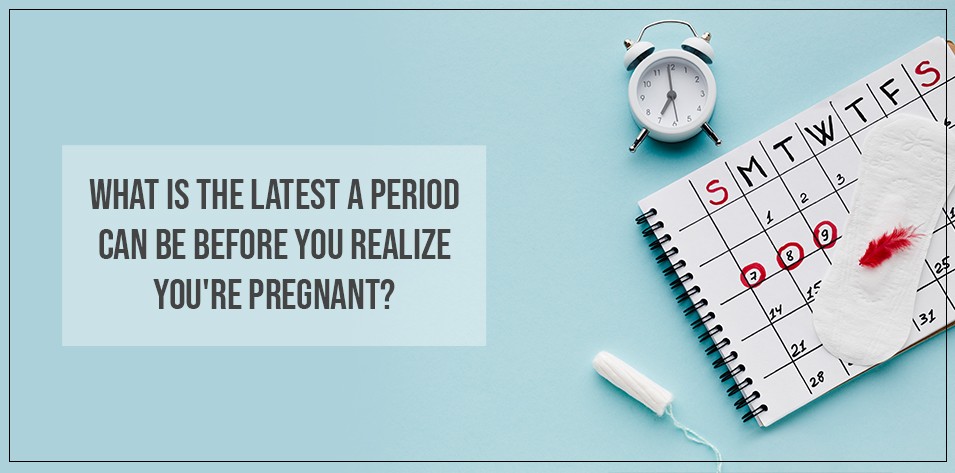
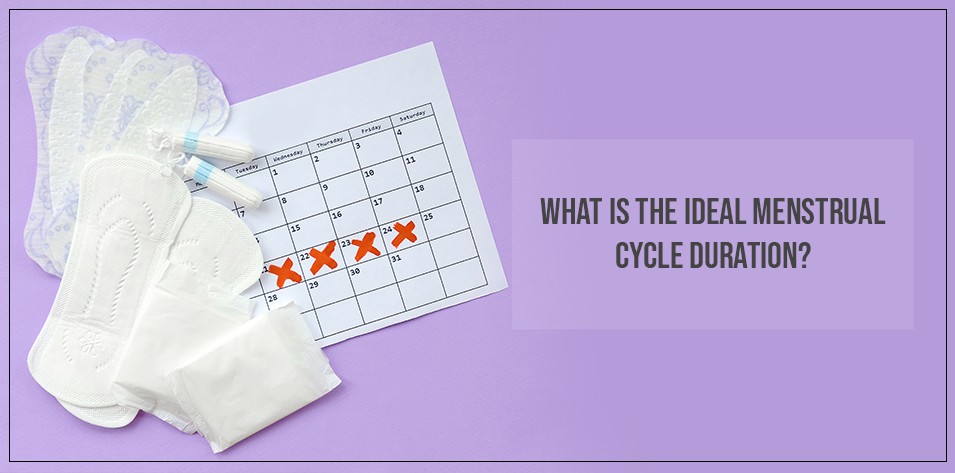
In the realm of pregnancy testing, a missed period implies that your menstrual bleeding was supposed to start yesterday but hasn't yet. The day of your expected menstruation is determined by the length of your regular menstrual cycle and when your last period began. The interval between the first day of your period and the first day of your next period is known as the menstrual cycle. The typical cycle lasts 28 days, and the pattern looks like this:
Day 1 – The tissue lining your uterus (womb) degrades and exits your body via the vaginal canal. This is your menstruation, which typically lasts 4 to 8 days for most women.
Day 8 – The uterine lining begins to regenerate in preparation for the nourishment of a fertilized egg. This is what your body does every month to prepare for a possible pregnancy.
Day 14 -Ovulation occurs on day 14 when an egg is released from your ovary. If you have intercourse on the day you ovulate or within three days of ovulation, you are most likely to become pregnant.
This is what your body does every month to prepare for a possible pregnancy. Ovulation occurs on day 14 when an egg is released from your ovary. If you have intercourse on the day you ovulation or within three days before, you are most likely to become pregnant. While a man's sperm can stay inside you for 3 to 5 days, your egg can only stay for one day if it is not fertilized by sperm.
The egg moves down a fallopian tube toward the uterus on days 15 to 24. The fertilized egg will attach to the lining of your uterus if it joins with a sperm. This is known as implantation, and it is the point at which a pregnancy begins.
Day 24 – The egg begins to break apart if it has not been linked with a sperm. Your hormone levels fall, indicating that your uterus will not be required to maintain a pregnancy this month.
Every month, some women's menstrual cycles last the same number of days. These ladies can estimate when their menstruation will begin with a high degree of accuracy. Other women have a monthly menstrual cycle that differs slightly from month to month. As long as your cycle occurs every 24 to 38 days, it is considered regular.
Late period and pregnancy symptoms
Many women who menstruate regularly will recognize the signs of a late period. You'll know it's late if you weren't expecting your period to start and it didn't. Periods don't always come on time, and it's perfectly normal for them to come on a slightly irregular schedule. A late or missing period can be caused by a variety of factors other than pregnancy. However, if you're unsure whether your missed period means you're pregnant, seek other early pregnancy signs. Many women have the following symptoms during the first eight weeks of pregnancy:
Your body produces a considerable amount of progesterone throughout the first trimester (weeks 0 to 13 of pregnancy). You may feel drowsy as a result of this. You may feel more weary than usual even during the first week following conception.
One of the first indicators of pregnancy is implantation bleeding. The fertilized egg implants (attaches) to the uterine wall, resulting in very mild bleeding, sometimes referred to as "spotting." Implantation occurs 6 to 12 days after conception, or when the sperm fertilizes the egg. During implantation, some women have moderate stomach cramping. Other women have no symptoms during implantation.
3. Changes in the Breasts:
As early as 1 to 2 weeks after conception, you may notice changes in your breasts. It's possible that your breasts are swollen and tender to the touch. In your breasts, you may have pain or a sense of fullness.
Even before a missed period, the sudden spike in hormones and blood flow during pregnancy might cause mild headaches.
This is usually the first sign that a woman notices. You will most likely not have regular menstrual bleeding if you are pregnant. Spotting is common in pregnant women, but it is usually much lighter and shorter than your regular period.
Morning sickness usually appears two to eight weeks after conception and disappears by 14 weeks. Morning sickness is a term used to describe nausea that can occur at any time of day or night during pregnancy. When many women first wake up in the morning, their symptoms are at their worst. Morning sickness causes vomiting in some women, but not in others.
7. Urination on a regular basis:
Around 6-8 weeks following conception, you may notice that you need to pee a lot more frequently than usual. This symptom will most likely last the rest of your pregnancy.
Pregnancy and the causes of a late period
When a sperm fertilizes an egg, it results in pregnancy. Missed or late periods are caused by a variety of factors other than pregnancy. Other potential causes include:
- Weight loss or gain that is extreme
- Stress
- Changes in your sleeping pattern (shift work, travel, etc.)
- Breastfeeding
- The use of drugs
- Exercising rigorously
Late period and pregnancy diagnosis and tests
Home pregnancy tests look for a hormone called human chorionic gonadotropin (hCG) in your urine, which is only present during pregnancy. At implantation, the body produces hCG, which can be detected by many home pregnancy tests around the time of your expected period. However, false negatives are prevalent in the first few days after a missed menstruation. During early pregnancy, the amount of hCG in your body grows on a daily basis. There may not be enough hCG for a positive test if you test too early. It's most likely that testing one week following a missing period will give you reliable results.
If two home pregnancy tests have come back negative and you still believe you're pregnant, see your doctor. They can have a blood test done to screen for the same hormone, but earlier in the pregnancy. As soon as 6 to 8 days following ovulation, blood testing can provide accurate findings. If your pregnancy tests come back negative but you still haven't had a period, consult your doctor to find out what's causing it and whether any extra tests or treatment is required. If you're having trouble conceiving, your doctor can do extra tests or offer other advice.
Read more Is it safe to take a common pain reliever while pregnant?
Treatments for menstrual irregularities and pregnancy
If you haven't had your period in a while and aren't pregnant, you don't require any special treatment or care. If you used to have a regular cycle and now don't, if you're bleeding at odd times, if it's been more than 45 days since your last period, and if you have other symptoms that hint at other problems, your doctor will most likely check into treatment alternatives. Your doctor may give hormone therapy, such as birth control pills or other medications, or suggest lifestyle modifications to help you have a regular menstrual cycle, depending on the cause.If your late period is a symptom of pregnancy, your doctor can help you develop a treatment plan to ensure that you get the care you need and that you have frequent checks throughout your pregnancy.
Comments
Write your first comment.