
Visual Stories





































Categories























Leave us reply
Related Blogs
Why do we need to consult an ophthalmologist before using contact lenses?
There is a different type of contact lenses like hard, soft, daily wear, etc all of them are considered safe to use. But sometimes...
Why are my eyes so dry?
Dry eyes can happen when tears evaporate too quickly, or if the eyes produce too few tears.

Eye Exercises to Improve Vision in Kids
As parents, we always want the best for our children. This holds true for their vision too! We do all what we can to help our chil...
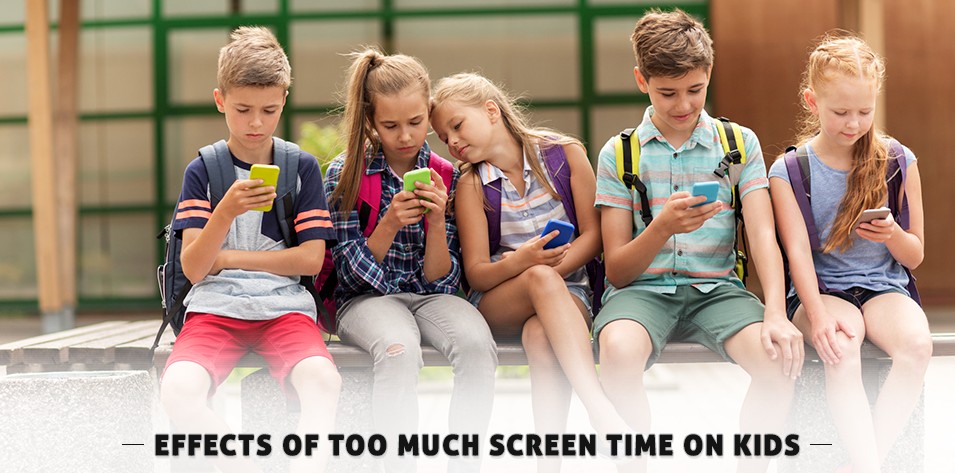
Digital Eyestrain – How Bad It Is For Kids And Ways To Prevent It!
It could be rightly said that screen time is an inescapable reality of modern childhood. Today’s kids are even smarter than ever...

Foods To Keep Your Child’s Eyes Healthy, For Life!
You want the very best for your child — every parent does. This holds true for their eyesight too. Your child’s eyes are very ...
Protect Your Kid’s Eyes
Slipping grades? Could be a visual difficulty! Kids seldom complain of vision problems! So, watch out for signs! Does your child s...

Eye symptoms to watch for!
Whilst many of us opt for a complete body checkup regularly, how many of us get our eyes checked every year? When was the last tim...

Keep an “EYE” on your New Year resolutions
Did you see the amazing sunset last evening? Did you watch your toddler take his tentative first steps? Yes, everyday our eyes cap...

You should kill this habit or it will kill your eye sight!
Your eyes and brain work together to turn light into images. So anything that blocks light from passing through the cornea, lens, ...

For the love of sports, undergo Laser Vision Correction with ReLEx SMILE/iLasik for a Perfect Vision!
Many professional sportspeople often need excellent natural abilities and excellent vision combined with persistent recurrence of ...

Is Laser Eye Surgery attracting young & working professionals?
Many young professionals are increasingly opting to laser eye surgery for vision correction as the treatment gives,
Active and Ex...
Retinal Detachment
The retina is a thin layer of light sensitive tissue on the back wall of our eye. When we look at an image, the retina translates ...
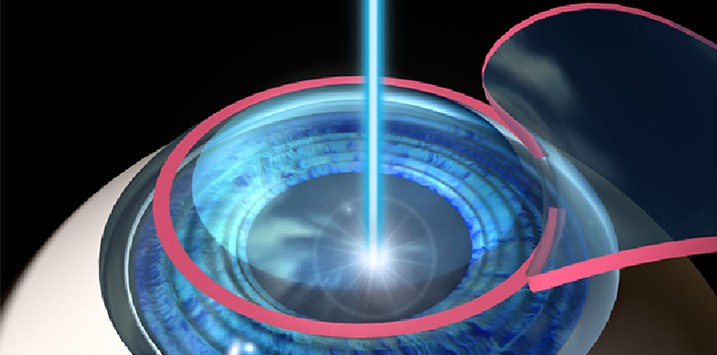
LASIK Surgery
LASIK (Laser-assisted In Situ Keratomileusis), is among the most commonly performed laser eye surgeries or corrective eye surgerie...
Perfect Vision by Laser Lens Correction
People are constantly accessing information through various digital devices such as mobile phones, computers or television. There ...
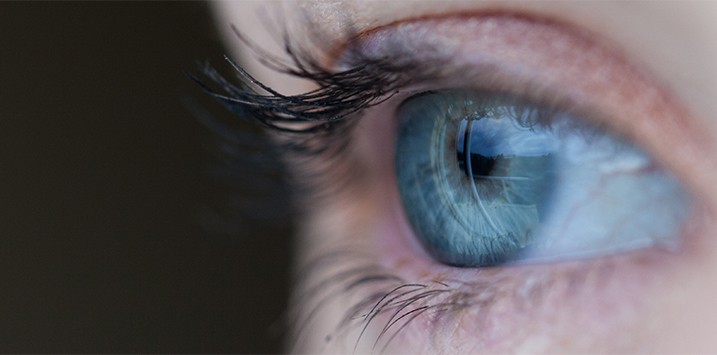
LASER Vision Correction through ReLEx SMILE
ReLEx SMILE is a result of the advancements in science and technology, to provide health seekers an incredible option to correct a...
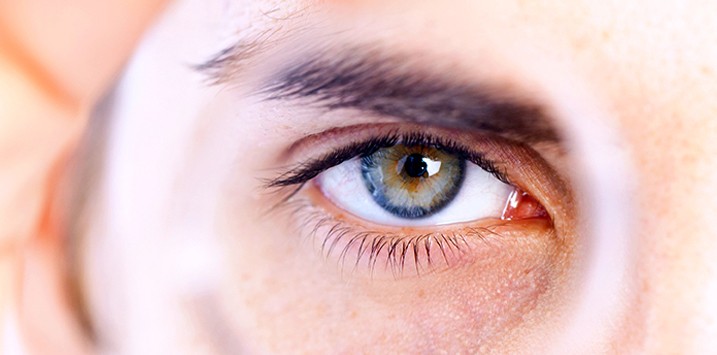
Why do you need a cornea transplant?
When a person's cornea gets damaged from infection; disease or an injury, it becomes less transparent and its shape changes too. T...
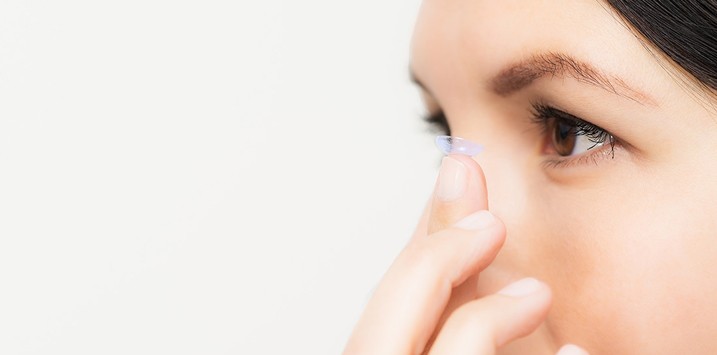
Contact Lens
Contact lenses or CLs have evolved since into very thin lenses that are placed directly on the surface of the human eye. Worn prim...
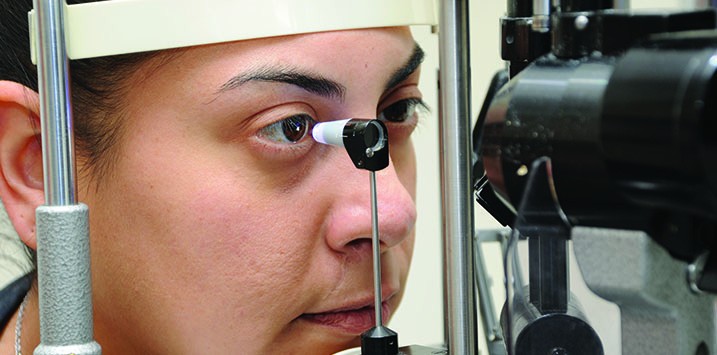
Glaucoma- The facts you should not ignore
Glaucoma has turned into a feared menace of sorts looming over the lives of some who have reached an advanced age. Like a thief, i...

Cataract
A clouding of the lens in your eye that affects vision is called a cataract. The lens also adjusts the eye’s focus, letting us s...
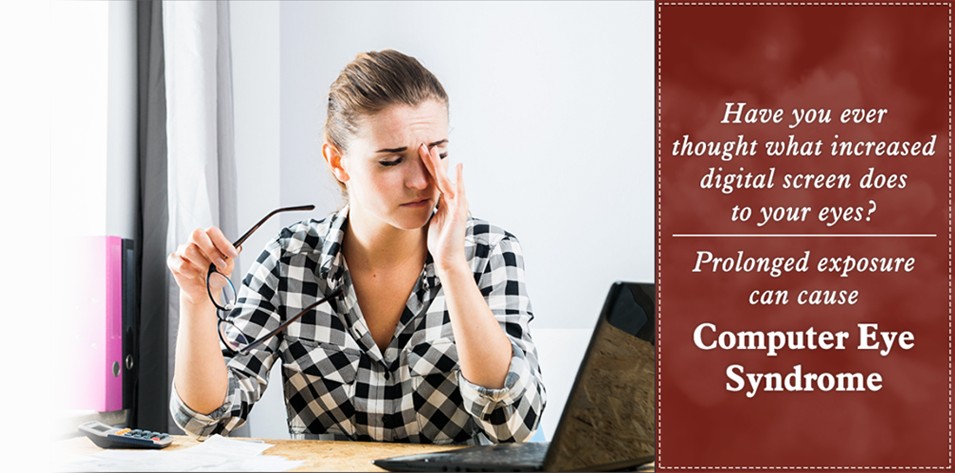
Computer Eye Syndrome
Staring at back lit screens like LED and LCD's for extended periods of time daily can cause a screen-induced discomfort called Com

Glaucoma - Cause of Irreversible Blindness
It looks like Glaucoma is an unwelcome "sword of Damocles" hanging with perpetual menace over the heads of those who reach an adva
 Online Consultation starts at just Rs 100/-


Comments
Write your first comment.