Visual Stories
© 2022. All rights reserved.
Find out more about how this website uses cookies to enhance your browsing experience.
Accept Cookies
Hepatitis A is a liver infection brought on by the hepatitis A virus (HAV). The virus is spread largely when an uninfected (and unvaccinated) person consumes food or water contaminated with an infected person's feces. The disease is linked to contaminated water or food, poor sanitation, personal hygiene, and oral-anal sex.
Hepatitis A, unlike hepatitis B and C, does not cause chronic liver disease, but it can induce debilitating symptoms and, in some cases, fulminant hepatitis (acute liver failure), which can be fatal. According to the World Health Organization, 7134 people died from hepatitis A in 2016. (accounting for 0.5 percent of the mortality due to viral hepatitis).
Hepatitis A occurs intermittently and in epidemics all throughout the world, with a cyclic recurrence pattern. Epidemics caused by tainted food or water, such as the one that killed 300,000 people in Shanghai in 1988, can be devastating. They can also be long-lasting, with person-to-person transmission affecting communities for months. Hepatitis A viruses survive in the environment and can withstand the inactivation or control of bacterial pathogens used in food production.


Transmission
The hepatitis A virus is primarily spread through the fecal-oral route, which occurs when an uninfected person consumes food or water contaminated with an infected person's feces. This can happen in households when an infected person prepares food for family members with dirty hands. Though rare, waterborne outbreaks are mainly linked to sewage-contaminated or improperly cleaned water. Close physical contact (such as oral-anal sex) with an infectious individual can also transmit the virus, however, casual touch between persons does not spread the infection.


Symptoms
Hepatitis A normally takes 14–28 days to fully develop.
Fever, malaise, loss of appetite, diarrhea, nausea, abdominal discomfort, dark-colored urine, and jaundice are some of the symptoms of hepatitis A, which can range from moderate to severe (yellowing of the eyes and skin). Not everyone afflicted will experience all of the symptoms.
Adults are more likely than children to show signs and symptoms of the disease. In senior age groups, disease severity and mortality consequences are increased. Infected children under the age of six do not normally show any symptoms, and only 10% of them develop jaundice. Hepatitis A can relapse, which means that a person who has recently recovered becomes ill with another virus.
Who is in danger?
The hepatitis A virus can infect anyone who has not been immunized or has never been infected. The majority of hepatitis A infections occur during childhood in locations where the virus is common (high endemicity). The following are some of the risk factors:
Poor sanitation, a lack of potable water, living in a household with an infected person, having a sexual partner of someone with acute hepatitis A infection, recreational drug use, intercourse between men, and traveling to places with high endemicity without getting inoculated are all risk factors.
Diagnosis
Hepatitis A cases cannot be distinguished clinically from other kinds of acute viral hepatitis. The presence of HAV-specific immunoglobulin G (IgM) antibodies in the blood allow for a precise diagnosis. Additional tests, such as reverse transcriptase-polymerase chain reaction (RT-PCR) to detect hepatitis A virus RNA, may be required and may necessitate the use of specialized laboratory facilities.
Treatment
Hepatitis A does not have a specific treatment. The recovery from infection symptoms might be lengthy, taking several weeks or months. It's critical to avoid using medications that aren't necessary. Acetaminophen, paracetamol, and anti-vomiting medications should all be avoided.
In the absence of abrupt liver failure, hospitalization is unnecessary. The goal of therapy is to maintain comfort and a healthy nutritional balance, which includes replacing fluids lost due to vomiting and diarrhea.
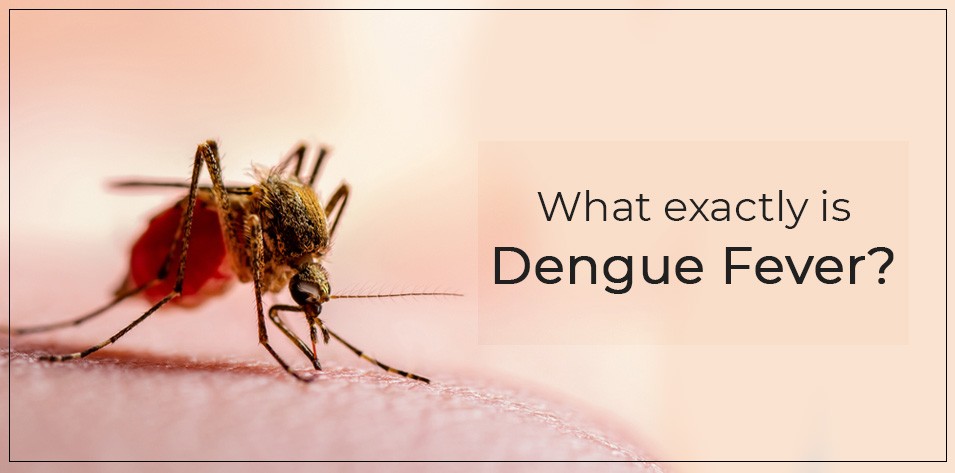
Also read What exactly is dengue fever ?
Prevention
The most effective approaches to combat hepatitis A are improved sanitation, food safety, and vaccine.
The spread of hepatitis A can be slowed by doing the following:
© 2022. All rights reserved.
Hepatitis A is a liver infection brought on by the hepatitis A virus (HAV). The virus is spread largely when an uninfected (and unvaccinated) person consumes food or water contaminated with an infected person's feces. The disease is linked to contaminated water or food, poor sanitation, personal hygiene, and oral-anal sex.
Hepatitis A, unlike hepatitis B and C, does not cause chronic liver disease, but it can induce debilitating symptoms and, in some cases, fulminant hepatitis (acute liver failure), which can be fatal. According to the World Health Organization, 7134 people died from hepatitis A in 2016. (accounting for 0.5 percent of the mortality due to viral hepatitis).
Hepatitis A occurs intermittently and in epidemics all throughout the world, with a cyclic recurrence pattern. Epidemics caused by tainted food or water, such as the one that killed 300,000 people in Shanghai in 1988, can be devastating. They can also be long-lasting, with person-to-person transmission affecting communities for months. Hepatitis A viruses survive in the environment and can withstand the inactivation or control of bacterial pathogens used in food production.
Transmission
The hepatitis A virus is primarily spread through the fecal-oral route, which occurs when an uninfected person consumes food or water contaminated with an infected person's feces. This can happen in households when an infected person prepares food for family members with dirty hands. Though rare, waterborne outbreaks are mainly linked to sewage-contaminated or improperly cleaned water. Close physical contact (such as oral-anal sex) with an infectious individual can also transmit the virus, however, casual touch between persons does not spread the infection.
Symptoms
Hepatitis A normally takes 14–28 days to fully develop.
Fever, malaise, loss of appetite, diarrhea, nausea, abdominal discomfort, dark-colored urine, and jaundice are some of the symptoms of hepatitis A, which can range from moderate to severe (yellowing of the eyes and skin). Not everyone afflicted will experience all of the symptoms.
Adults are more likely than children to show signs and symptoms of the disease. In senior age groups, disease severity and mortality consequences are increased. Infected children under the age of six do not normally show any symptoms, and only 10% of them develop jaundice. Hepatitis A can relapse, which means that a person who has recently recovered becomes ill with another virus.
Who is in danger?
The hepatitis A virus can infect anyone who has not been immunized or has never been infected. The majority of hepatitis A infections occur during childhood in locations where the virus is common (high endemicity). The following are some of the risk factors:
Poor sanitation, a lack of potable water, living in a household with an infected person, having a sexual partner of someone with acute hepatitis A infection, recreational drug use, intercourse between men, and traveling to places with high endemicity without getting inoculated are all risk factors.
Diagnosis
Hepatitis A cases cannot be distinguished clinically from other kinds of acute viral hepatitis. The presence of HAV-specific immunoglobulin G (IgM) antibodies in the blood allow for a precise diagnosis. Additional tests, such as reverse transcriptase-polymerase chain reaction (RT-PCR) to detect hepatitis A virus RNA, may be required and may necessitate the use of specialized laboratory facilities.
Treatment
Hepatitis A does not have a specific treatment. The recovery from infection symptoms might be lengthy, taking several weeks or months. It's critical to avoid using medications that aren't necessary. Acetaminophen, paracetamol, and anti-vomiting medications should all be avoided.
In the absence of abrupt liver failure, hospitalization is unnecessary. The goal of therapy is to maintain comfort and a healthy nutritional balance, which includes replacing fluids lost due to vomiting and diarrhea.
Also read What exactly is dengue fever ?
Prevention
The most effective approaches to combat hepatitis A are improved sanitation, food safety, and vaccine.
The spread of hepatitis A can be slowed by doing the following:
Write your first comment.
© 2022. All rights reserved.
Our aim is to offer better technology to healthcare providers who in turn can provide better care for the health seekers.
Just go to the S10.Clinic website and click on the "Book appointment" button on the homepage of the website/app, select a specialty and find the doctor of your choice. Once you select a doctor, you can click on the "Consult Online" button to select your preferred date and time.
Once you select the date and time all you have to do is sign up / login to the platform and make the payment online using your credit / debit card on the Razor pay or CC Avenue gateway. Then, you will receive the consultation link via sms / email.
Our online consultation platform is optimized for the following browsers: Google Chrome and Safari. Please ensure you are free 10 minutes prior to your appointment.
All you have to do is find a well light and quiet place with good internet connectivity, preferably a place with Wi-Fi access. Switch on your microphone (for laptop / mobile and allow browser to access it).
Please note: If you are not able to open the link please delete your browser history and cache files of your browser and try again.
This may happen due to poor internet connectivity. In such cases, please check your internet connection and if the issue persists, please reach out to us at [email protected] with the screenshot of the error and we will get this checked from our end. You can also call us at 044-40510510.
Please note: Please ensure you have given access to your audio and video to your browser in the settings panel.
You will receive an email after the online consultation with the following - Provisional diagnosis, visit notes, prescription and follow up.
Yes. The prescription generated during the online consultation is as good as a physical prescription and will be valid for 6 months from the date of issue (as per government regulations).
You will be able to speak and interact with the doctor only for the time he has specified.
Yes. The e-prescription will be valid for offline pharmacies as well.
Safety of your data is our top priority. We have multi-level security checks, multiple data backups, and stringent policies in place to ensure your data remains safe and secure. Additionally, we are a HIPAA compliant company and we take data privacy and security very seriously. All data on S10.Clinic is secured with 256-bit encryption.
All the patients who use the S10.Clinic platform will be called and verified by our support squad before their consultation with the doctors.
You don't have to worry about it. In that case an automatic refund is initiated from our end, and it will reflect in your bank account within 6-7 business days.
Or you can reach out to us at 044-40510510 or [email protected] and we will be happy to help you.
Don't worry if you've missed the online call with the, you can easily reschedule the call with your preferred doctor 10 minutes prior to any consultation. All you have to do is click on the "Reschedule" option in the appointment email.
Or you can reach out to us at 044-40510510 and we can book the same for you.
Please note: If you do not show up or miss an appointment after your appointment time, you won't be able to reschedule it.
You can reschedule any appointment you make 10 minutes before the consultation free of cost. If you want to reschedule any appointment after the consultation time has started you will have to book a new appointment with your preferred doctor. No refund will be offered in such cases.
After the online consultation you will receive a feedback form where you can rate your experience and tell us what went well, what we need to work on. We take your feedback very seriously and this helps us to improve our app and our services.
We're always there for you! You can reach out to our Support Squad at 044-40510510 or send us an email at [email protected]. You can also dm us on Facebook we will be happy to assist you.
Comments
Write your first comment.